




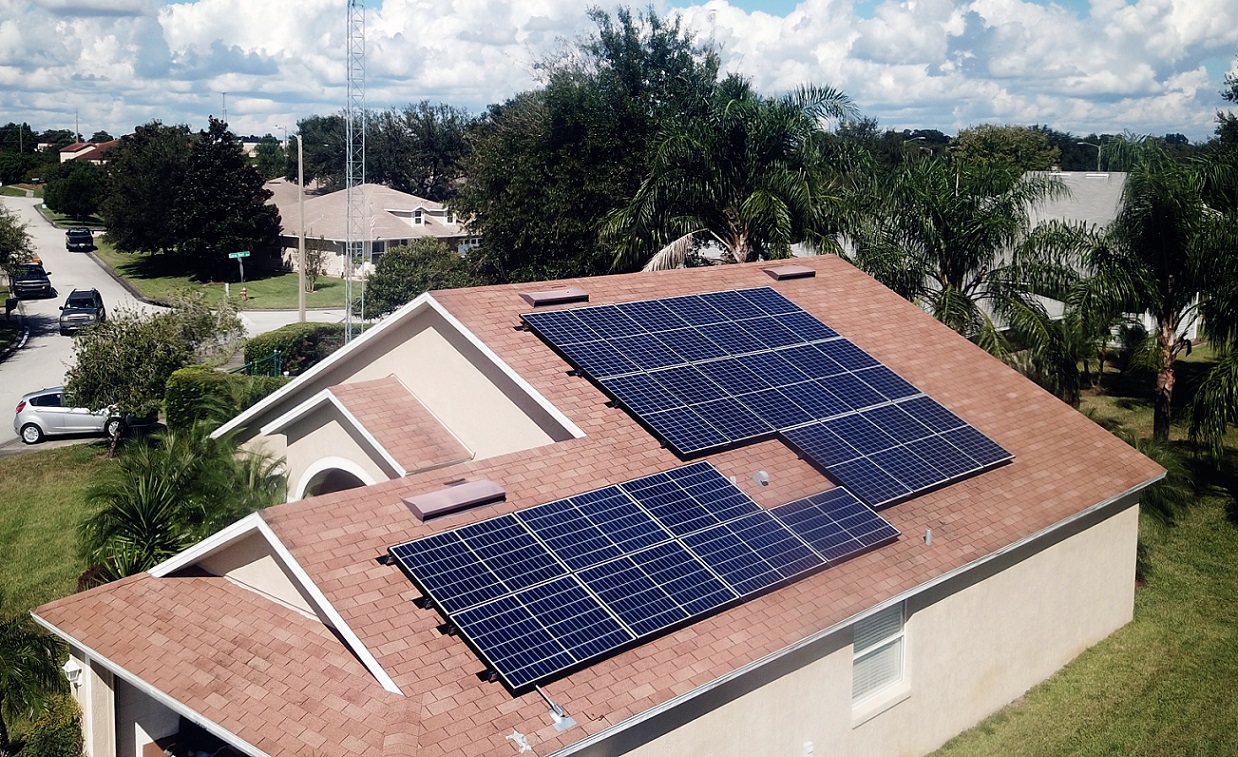
The California Public Utilities Commission (CPUC) has adopted a new plan that will serve as a roadmap for shaping the future of distributed energy resources, including rooftop solar and energy storage, in California.
Designed to improve coordination across areas such as grid planning, load flexibility and customer programmes, the plan has been published in anticipation of a high-DER future in the state.
Given trends such as the growth of behind-the-meter (BTM) solar and storage and commitments to increase transportation and building electrification, the CPUC said the time is ripe to prepare a new DER action plan as California progresses with efforts to reach 100% clean electricity by 2045.
Having completed most of the action elements in the first action plan, covering the 2016 – 2020 period, the CPUC said it is now proceeding with a follow-up “to facilitate forward-thinking DER policy”.
“The updated Plan will assist in aligning the CPUC’s vision and actions to maximise economic and societal values of an anticipated high-DER future, while ensuring affordable and equitable rates,” said CPUC’s commissioner, Darcie Houck.
Serving as a roadmap for CPUC decision-makers and staff, the action plan will advance the agency’s vision for DERs in California through four tracks: load flexibility and rates, grid infrastructure, market integration and customer programmes.
According to the plan, policies and trends that indicate a future with sustained high growth of DERs include a report from the California Energy Commission that forecasts a 260% increase in behind-the-meter solar generation in the state from 2019 to 2030, during which time BTM energy storage capacity is expected to increase 770%.
That is in addition to demand stemming from California’s proposal for 100% of new cars and passenger trucks sold in the state to be zero emission by 2035.
The DER plan’s publication comes after the CPUC decided in February to indefinitely delay its decision on net metering changes in California. Dubbed NEM 3.0, proposals would have slashed solar export credits by about 80% and added a US$57 per month fixed charge for the average residential system, partially offset by a US$15 per month credit for ten years.
A group of California Congress members has since written to the CPUC urging it to rethink the net metering changes and demanding a “dramatically revised policy”.
CPUC adopts action plan to facilitate ‘forward-thinking’ distributed energy resources policy
California is aiming to reach 100% clean electricity by 2045.
Source:PVTECH

ViaJules Scully
- Advertisment -