




United Power intends to exit its contract with Tri-State Generation and Transmission, contingent on an acceptable exit fee to be set by the Federal Energy Regulatory Commission (FERC).
The move comes after the rural electric cooperative tried to modify its all-requirements contract with Tri-State for three years. United Power’s costs for power from Tri-State are “disproportionately high,” said the co-op’s website, as Tri-State continues to provide power from a “legacy framework” relying heavily on fossil fuels, instead of pursuing renewable power.
“Instead of working with us in the pursuit of lower-cost, cleaner options, Tri-State has resisted these developments,” said Mark Gabriel, United Power president and CEO. “Tri-State recently purchased additional coal generation, is limiting our members’ ability to add more carbon-free generation, and is penalizing additional storage on our system.”
Tri-State’s policies include penalties if a member co-op such as United Power procures more than 5% of its electricity from sources other than Tri-State.
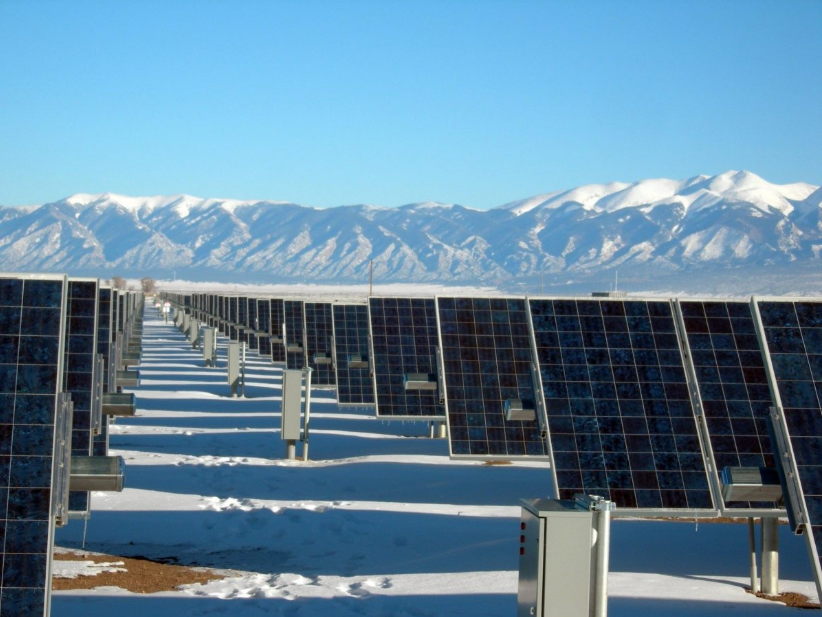
United Power currently has 46 MW of utility scale solar, 38 MW of other renewables, and 4 MW of battery storage. Its customers have 6,800 rooftop PV systems. The co-op serves customers with 100,000 meters in Colorado’s northern front range.
FERC is expected to set an exit fee for United Power, which the co-op said should reflect its “fair share” of Tri-State’s long-term debt.
Two other co-ops, Kit Carson and Delta Montrose, have exited Tri-State in recent years. At least six other co-ops are considering a potential exit, says United Power.
United Power is a founding member of the NextGen Cooperative Alliance, which aims to expand power supply and procurement options for rural co-ops, and reform the business model for generation and transmission co-ops.