




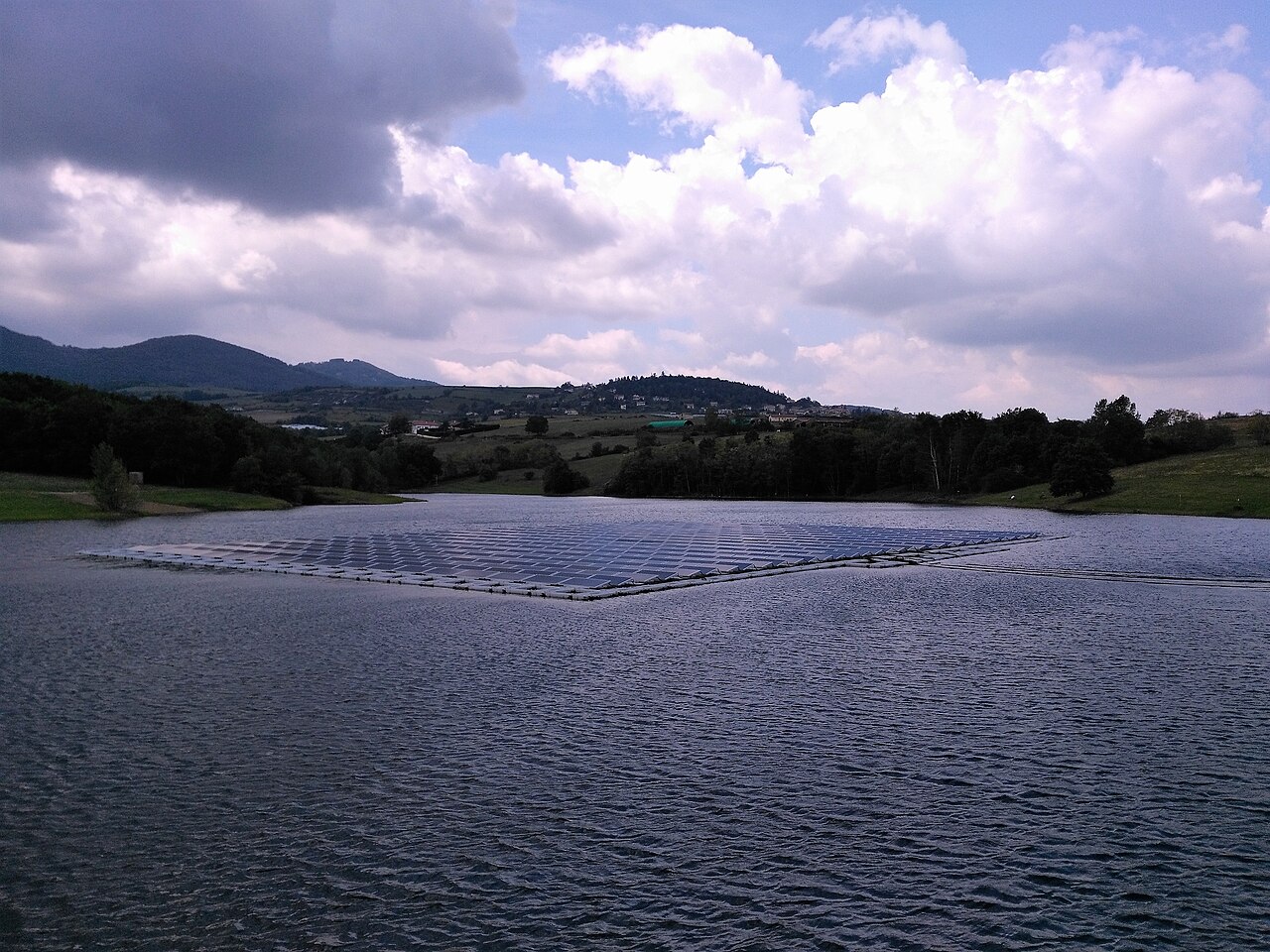
Researchers in Norway have expanded a model for wave-induced loss (WIL) in floating photovoltaics and simulated a full year of realistic weather at four nearshore sites along the Norwegian coast, finding annual losses of 1.12% in sheltered waters and up to 2.28% where exposure to the Skagerrak Strait is greatest.
The team, drawn from Norway’s Institute for Energy Technology (IFE) and the University of Oslo, built on a framework first presented in 2025. The updated version adds a step that uses the SWAN wave model to generate hourly, site-specific sea-state parameters from wind, boundary wave spectra and bathymetric data, then applies the existing 3DFloat approach to simulate panel motion, pvlib to compute irradiance on moving and stationary reference panels, and PVMismatch for electrical output. Unlike the earlier clear-sky version, it now uses time-correlated irradiance data that include cloudy periods.
Simulations covered 2023 for strings of ten horizontally mounted Jinko Solar Cheetah 60M-V 325 W PERC modules held at 25 C, with an additional 15-degree tilt case at the most exposed site. Mismatch losses dominated total wave-induced loss, while changes in average irradiance produced a small gain. The paper appears in Solar Energy.
✦ This article was adapted by AI from public news sources for informational purposes only. It does not constitute investment advice.