




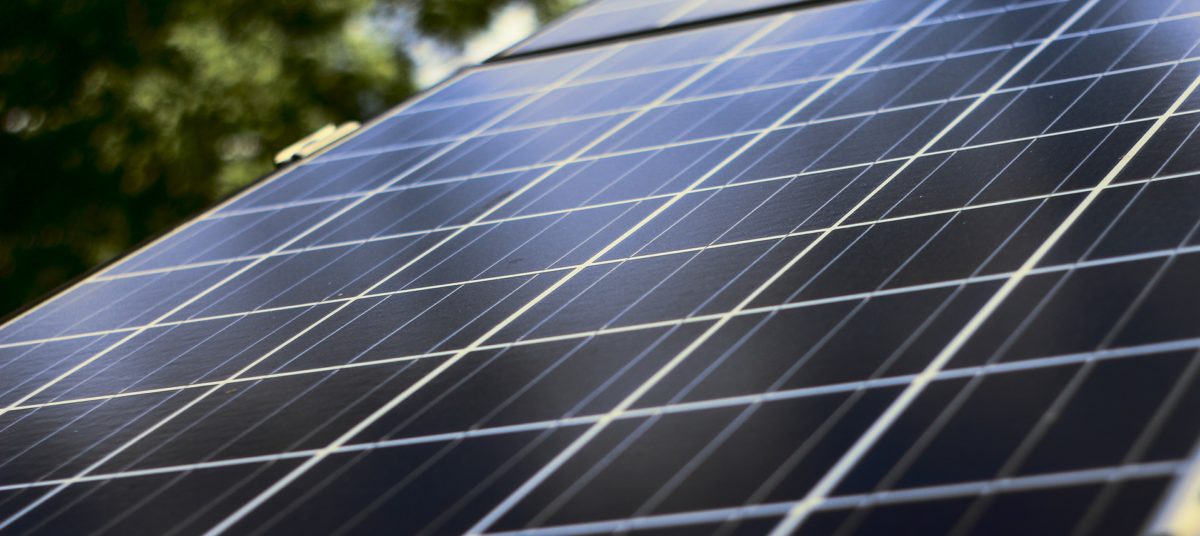
Large quantities of disused solar modules and batteries from electric vehicles are currently disposed of, despite still being usable. But this is set to change in the coming years as second life and recycling models continue to gain ground. The Bern University of Applied Sciences (BFH) has been working with European partners since 2018 to develop circular business models for end of life products.
The viability of reusing photovoltaic modules and electric car batteries after their initial end of life has been studied for two years in the frame of the “Circusol” project. Moving this into the demonstration phase for the developed business models of the circular economy has shown, according to the researchers, that models which benefit both the ecological footprint and economic balance of the PV industry are a reality.
The research consortium wants to make old solar modules available for reuse, and restore defective batteries from electric cars. A prerequisite for the solar modules is a simplified design. This would make it easier to repair them in the future and put them back in the cycle.
And the scientists also see benefit in used car batteries, even if they have only 20 to 30 percent of their original storage capacity. Although no longer suitable for use in electric vehicles, they could have a second life as stationary storage in residential buildings or other less space sensitive applications, according to the Swiss researchers.
Five projects are currently in preparation – from relatively small PV systems on residential buildings to municipal and regional projects. The demonstrations are located in Switzerland, Belgium and Germany.
The main challenge at the moment is the procurement, refurbishment and recertification of the solar modules and batteries. The BFH is currently working on “clear criteria and protocols for labeling”. This is the basis for ensuring the safety and performance of the discarded products and for building trust in the market for them, said Stefan Grösser, Professor of Strategic Management and Business Analytics at BFH.
His team is also working on a simulation model for photovoltaic and lithium-ion battery ecosystems. This would simulate their interactions in a complex network of social, economic, legal, technical and ecological aspects. “The model will help policymakers and decision-makers to assess the impact of certain measures on the development of the circular PSS business,” Grösser stated.
The project, funded by the EU as part of the “Horizon” research program, officially runs until 2022. The consortium is headed by Vito. In addition to the BFH, there are also Lund University (Sweden), Imec (Belgium), Soli Tek (Lithuania), SNAM (France), CEA Liten (France), Ecopower cvba (Belgium), PV Cycle aisbl (Belgium ), BKW Energie AG (Switzerland), Futech (Belgium), Daidalos Peutz (Belgium), Zabala Innovation Consulting (Spain), Suncrafter (Germany) and Loser Chemie (Germany).