





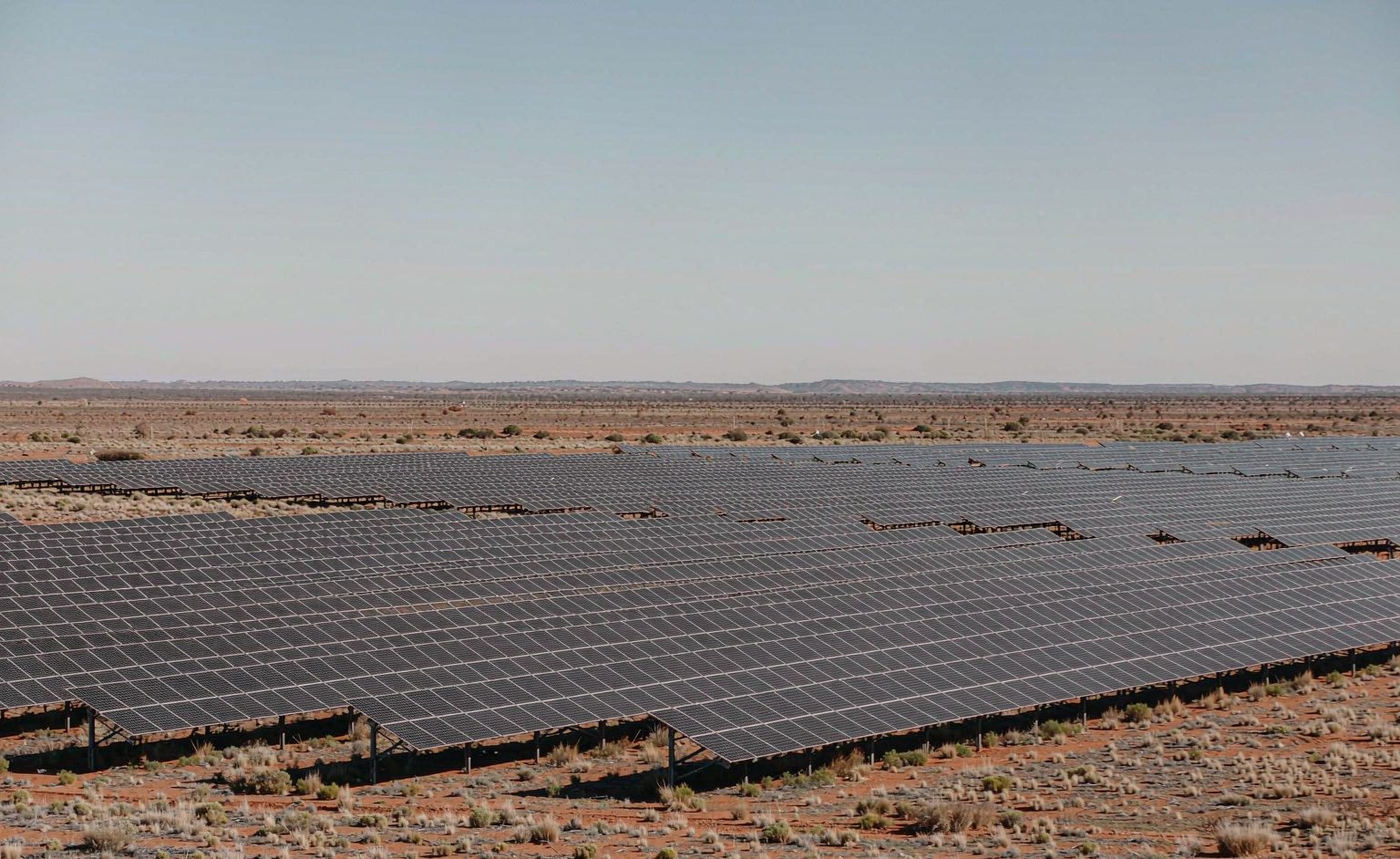
Australia’s first month of spring split the solar resource in two, according to Solcast, a DNV company, in its weekly irradiance update for pv magazine.
Eastern Australia averaged September irradiance 5% above normal. Coastal markets, where most distributed PV sits, stayed within a few percent of average, while inland regions hosting utility-scale plants ran about 10% above. Parts of Tasmania recorded near-record or record September irradiance, roughly 10% above normal, alongside exceptional dryness: rainfall deficits exceeded 30 mm across much of New South Wales, Victoria and Tasmania, with record or near-record September dryness in most locations.
Western Australia moved the other way. Statewide irradiance averaged 11% below normal, with the Pilbara about 10% down and Goldfields-Esperance, home to remote mining solar, 15% to 20% below. Parts of the Gibson Desert ran deficits as deep as 29% as slow-moving low-pressure systems held cloud in place. The heaviest rain fell between 5 and 9 September, when much of Goldfields-Esperance took more than 50 mm against a typical September total of 10 mm.
Temperatures stayed above average almost everywhere, with parts of the Pilbara more than 3 C above normal and the southeast generally 1 C to 3 C higher.