




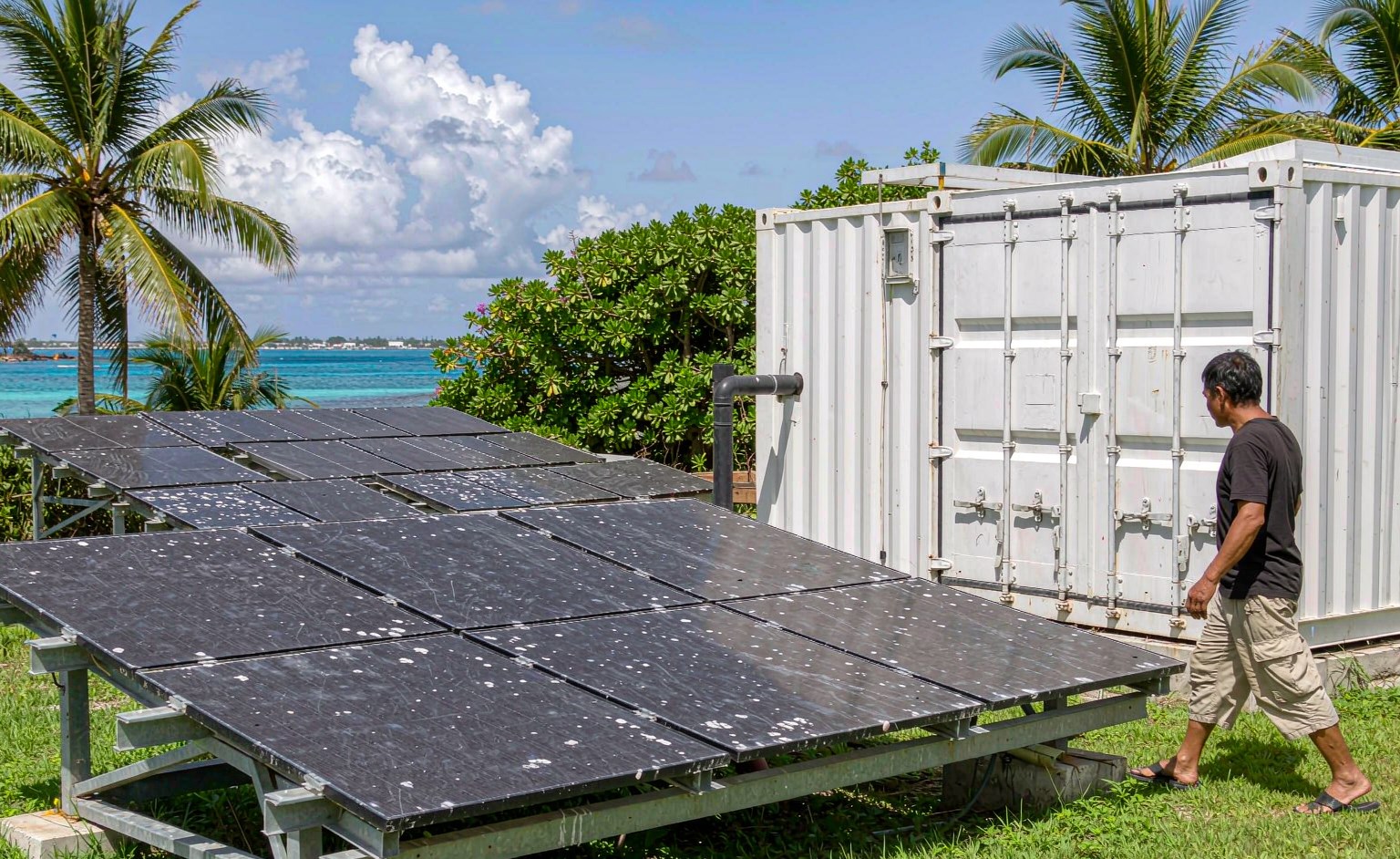
A report from the IEA Photovoltaic Power Systems Programme’s Task 18 looks at 11 islands that have reached, or nearly reached, very high renewable shares, from Apolima in Samoa, an 88-person village on standalone solar without storage, to Lolland in Denmark, with more than 57,000 residents and a link to the national grid.
The designs differ sharply. Kodiak Island in Alaska reaches 99% to 100% renewable supply through a hydro-wind hybrid run by a member-owned utility. Samso in Denmark leans on community-owned wind, Yakushima in Japan hits 100% with small hydropower, and Tokelau runs entirely on solar-plus-battery systems funded by New Zealand aid. Spain’s El Hierro combines wind with pumped hydro, while La Graciosa operates a wind-PV-battery hybrid.
The report draws on a review of more than 60 publications, the case studies and five practitioner interviews. Its matrix lists 111 success factors, with technical factors the largest single group at 41, yet nearly half of all factors sit in the preparation phase before construction starts.
Four appear almost everywhere: a local champion, sustained stakeholder engagement, long-term system planning and grid strengthening for variable renewables.
The authors warn that weak institutions and short donor funding cycles make replication hardest on small, remote and lower-income islands.